
Home > Technology > T Post Sizes and Weight: How to Choose the Right Specification
T Post Sizes and Weight: How to Choose the Right Specification
Choosing the right T post is an important part of building a strong and durable fence. For buyers, contractors, farmers and fencing distributors, simply knowing the required post length is not enough. T post weight, length, material, surface finish and application all affect the performance and service life of a fence.
T posts, also called studded T posts or T fence posts, are widely used with wire mesh, field fence, barbed wire, woven wire and other agricultural fencing systems. They are available in different lengths and weight classes to meet different fencing requirements.
This guide explains T post sizes, T post weight, common lengths, applications and key specifications, helping you choose the right T post for your project.
What Is a T Post?
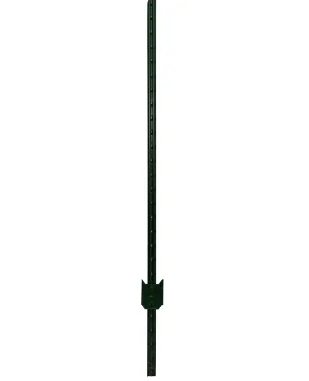
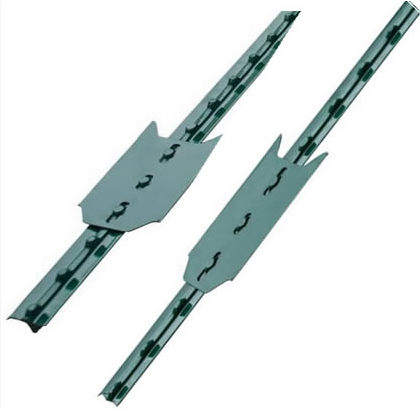
A T post is a steel fence post with a T-shaped cross-section. Most studded T posts have raised studs along the post and an anchor plate, also called a spade, near the bottom.
The studs help keep fencing wire in position, while the anchor plate improves resistance against pulling and movement in the soil.
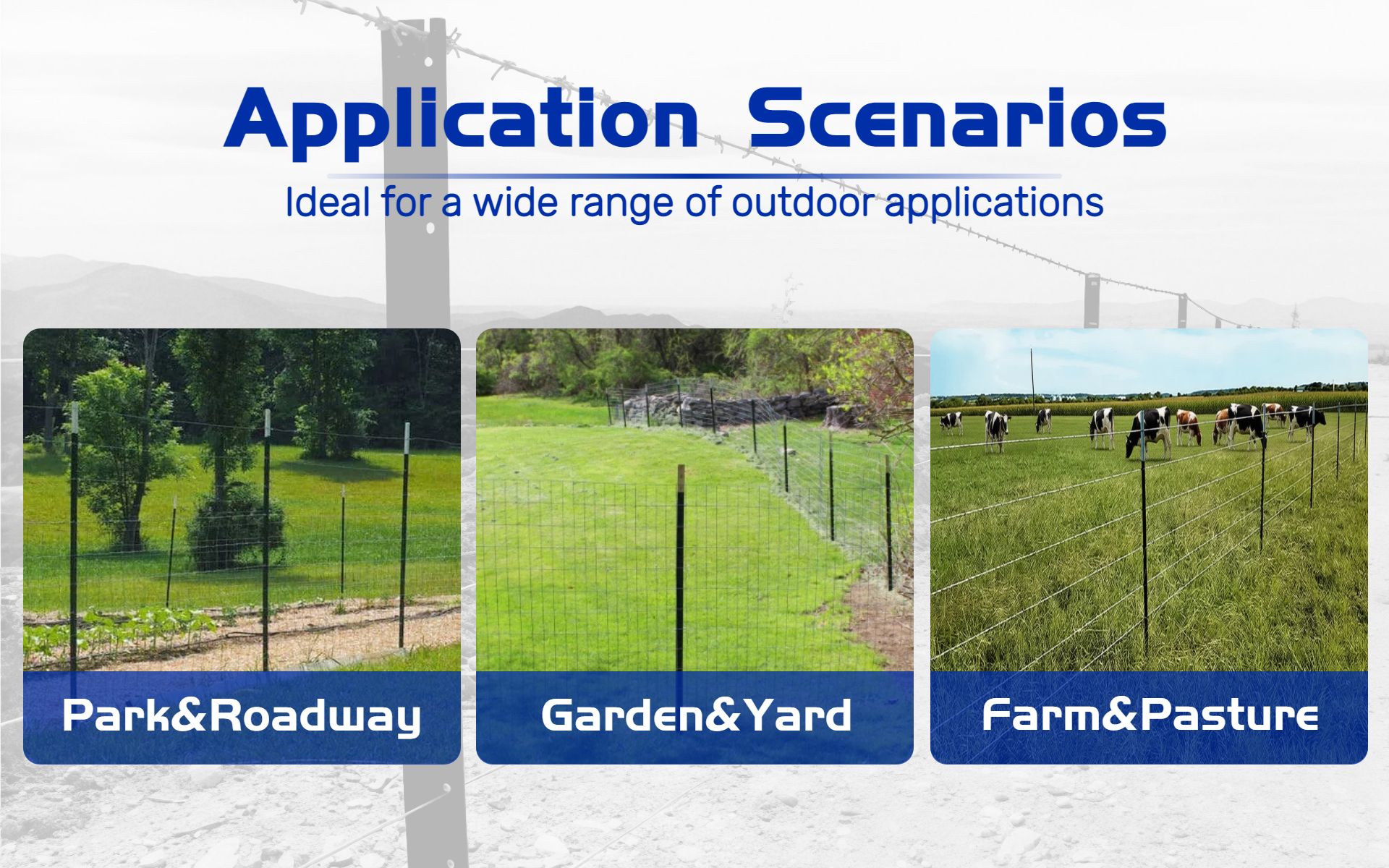
T posts are commonly used for:
-
Agricultural fencing
-
Farm fencing
-
Livestock fencing
-
Cattle and horse fencing
-
Deer and wildlife fencing
-
Barbed wire fencing
-
Woven wire fencing
-
Temporary fencing
-
Garden and property fencing
T posts are especially popular because they are relatively easy to transport, install and replace compared with many heavier fence-post systems.
What Are the Standard T Post Sizes?
There is no single universal T post size. The correct specification depends on the fence height, soil conditions, fencing material and expected load.
Common T post lengths include:
| T Post Length | Approx. Metric Length | Typical Applications |
|---|---|---|
| 3 ft | 0.91 m | Light-duty or low fencing |
| 4 ft | 1.22 m | Garden and light fencing |
| 5 ft | 1.52 m | Low agricultural fencing |
| 6 ft | 1.83 m | General farm and field fencing |
| 7 ft | 2.13 m | Livestock and taller fencing |
| 8 ft | 2.44 m | Heavy-duty or taller fencing |
| 9 ft | 2.74 m | Special agricultural applications |
| 10 ft | 3.05 m | Tall or customized fencing |
Our T post product range includes lengths from 3 ft to 10 ft and commonly supplied weight specifications of 0.95 lb/ft, 1.25 lb/ft and 1.33 lb/ft. Other specifications can also be customized according to project requirements.
What Does T Post Weight Mean?
One of the most important specifications when buying T posts is weight per foot.
For example:
-
0.95 lb/ft
-
1.25 lb/ft
-
1.33 lb/ft
The weight per foot indicates how much steel is used along each foot of the post. In general, a heavier T post provides greater resistance to bending and is more suitable for demanding fencing applications.
For example, a 6-foot T post with a nominal weight of 1.25 lb/ft would contain approximately:
6 × 1.25 = 7.5 lb
of steel by the weight-per-foot specification.
A 6-foot post at 0.95 lb/ft would be approximately:
6 × 0.95 = 5.7 lb
This is why buyers should not compare T posts based on length alone.
Two T posts can both be 6 feet long but have significantly different weight specifications.
0.95 vs 1.25 vs 1.33 lb/ft T Posts
The most common specifications can be broadly understood as follows:
| Weight | General Duty Level | Typical Applications |
|---|---|---|
| 0.95 lb/ft | Light duty | Garden, small animal, temporary and light fencing |
| 1.25 lb/ft | Medium / heavy duty | Farm, field, livestock and general agricultural fencing |
| 1.33 lb/ft | Heavy duty | High-load, livestock and demanding fencing applications |
These are general purchasing guidelines rather than fixed engineering rules. Actual performance also depends on post length, steel properties, soil conditions, fence height, post spacing and installation method.
For example, commercial T-post products in North America commonly include 0.95 lb/ft posts for garden, safety and light fencing, while 1.25 and 1.33 lb/ft versions are marketed for larger animals and more demanding applications.
When Should You Choose a 0.95 lb/ft T Post?
A lighter T post can be suitable when the fence does not need to withstand significant pressure.
Typical applications include:
-
Garden fencing
-
Small animal fencing
-
Silt fencing
-
Temporary barriers
-
Light-duty wire fencing
The main advantage is lower material consumption and easier handling.
When Should You Choose a 1.25 lb/ft T Post?
The 1.25 lb/ft specification is a common choice for general agricultural and farm fencing.
It can be considered for:
-
Field fencing
-
Woven wire fencing
-
Farm boundaries
-
Horse fencing
-
Cattle fencing
-
Barbed wire fencing
For buyers looking for a balance between material usage, strength and cost, this specification is often worth considering.
When Should You Choose a 1.33 lb/ft T Post?
A heavier 1.33 lb/ft T post can be considered when the fence is exposed to greater loads or more demanding conditions.
Potential applications include:
-
Heavy livestock fencing
-
High-tension wire
-
Long boundary fences
-
Areas exposed to greater wind loads
-
Projects requiring heavier-duty posts
The heavier specification does not automatically mean it is the right choice for every project. The complete fencing system needs to be considered.
How Long Should a T Post Be?
The required T post length depends primarily on the above-ground fence height and required embedment depth.
For example, if you need a fence approximately 4 feet high, you cannot simply choose a 4-foot T post. Part of the post needs to be driven into the ground.
A simplified planning formula is:
T Post Length = Fence Height + Required Ground Depth
For many projects, approximately one-quarter to one-third of the post may be installed below ground, but the actual depth should be determined by soil conditions, fence design, local requirements and expected loads.
Example
Suppose you need a fence with approximately 5 feet of exposed height.
A 7-foot T post may provide additional length for ground installation.
For a taller or heavier fence, an 8-foot or longer T post may be more appropriate.
The important point is:
Do not select the T post length based only on the visible fence height.
T Post Spacing: Does It Affect the Size You Need?
Yes.
T post spacing affects the load carried by each post.
If posts are installed farther apart, each post and the fencing material between posts may experience greater loads. Closer spacing can provide additional support, but it also increases the number of posts required.
Common spacing varies depending on:
-
Fence type
-
Fence height
-
Wire tension
-
Animal pressure
-
Soil conditions
-
Terrain
-
Wind exposure
For agricultural fencing, buyers should determine post spacing together with the fence type instead of selecting the post first.
What Is a Studded T Post?
A studded T post has raised studs along the post.
These studs provide attachment points for fencing wire and help prevent the wire from sliding vertically.
This is particularly useful for:
-
Barbed wire
-
Woven wire
-
Field fence
-
Agricultural wire
-
Temporary fencing
The spacing and shape of the studs can vary depending on the manufacturer and product design.
When purchasing T posts in bulk, buyers should confirm:
-
Stud spacing
-
Stud shape
-
Stud height
-
Spade dimensions
-
Post weight
-
Post length
-
Steel grade
-
Surface treatment
These details can have a significant effect on the finished fencing system.
What Is the Spade on a T Post?
The flat metal plate near the bottom of a T post is commonly called an anchor plate, spade or stabilizer plate.
Its purpose is to improve the post's resistance to movement after installation.
The spade helps the post resist:
-
Pull-out forces
-
Side movement
-
Fence tension
-
Soil movement
When comparing suppliers, buyers should not look only at the T post length and weight. The dimensions and attachment of the spade are also worth checking.
Painted T Post vs Galvanized T Post
T posts can be supplied with different surface treatments.
Common options include:
Painted T Post
Painted T posts are widely used for general fencing applications.
Advantages may include:
-
Lower initial cost
-
Multiple color options
-
Easy identification
-
Suitable for many standard applications
Green and orange are common colors, although customized colors may be available.
Hot-Dip Galvanized T Post
Galvanized T posts have a zinc coating designed to provide additional corrosion resistance.
They can be considered for:
-
Humid environments
-
Outdoor applications
-
Long-term fencing
-
Areas where corrosion resistance is important
The appropriate coating depends on the local environment, expected service life and project budget.
Our T post range includes painted, non-painted, black bitumen and hot-dip galvanized surface treatments.
How to Choose the Right T Post for Your Project
Before placing a bulk order, consider these seven factors.
1. Fence Height
Determine the required finished fence height first.
A taller fence normally requires a longer post to provide sufficient ground embedment.
2. Fence Type
Identify what the T post will support.
For example:
-
Barbed wire
-
Woven wire
-
Field fence
-
Deer fence
-
Temporary mesh
-
Livestock fencing
Different fencing materials create different loads.
3. Post Weight
Compare posts using the same unit.
For US buyers, lb/ft is commonly used.
For international projects, suppliers may provide metric specifications as well.
4. Soil Conditions
Soil has a major effect on post stability.
Clay, sand, gravel and loose soil can behave differently.
If the soil is soft or unstable, the required post length, spacing and installation method may need to be adjusted.
5. Surface Treatment
Consider whether painted or galvanized steel is more appropriate for the intended environment and service life.
6. Post Spacing
Determine the recommended spacing based on the fence design rather than choosing a standard distance automatically.
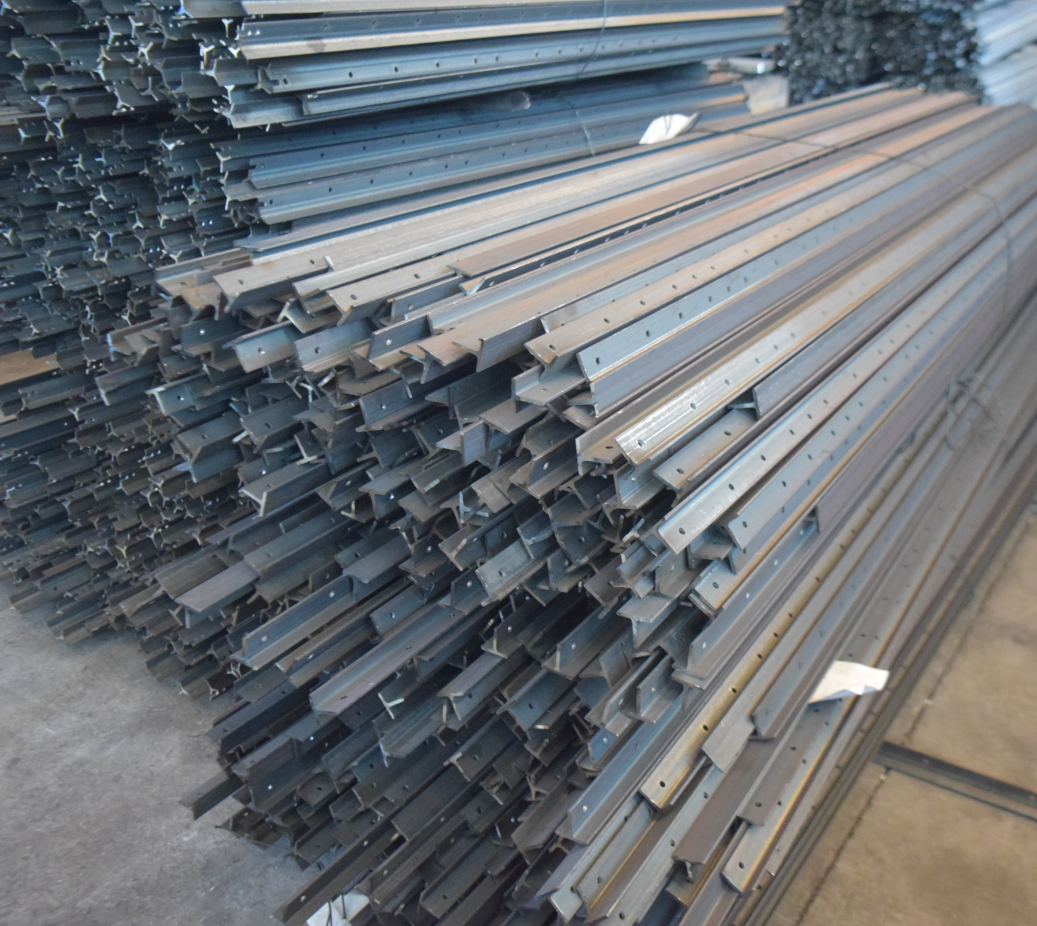
7. Quantity and Packing
For wholesale buyers, also confirm:
-
Pieces per bundle
-
Bundle weight
-
Container loading quantity
-
Packing method
-
Pallet requirements
-
Labeling
-
Customized packaging
These details can significantly affect shipping and total landed cost.
T Post Buying Checklist for Wholesale Buyers
If you are purchasing T posts for resale, distribution or a large fencing project, ask your supplier to confirm the following specifications:
Product: Studded T Post / T Fence Post
Material: Low carbon steel or specified steel grade
Length: 3–10 ft or customized
Weight: 0.95 / 1.25 / 1.33 lb/ft or customized
Surface: Painted / galvanized / black bitumen / non-painted
Color: Green / orange / black / customized
Spade: With anchor plate
Studs: Confirm spacing and dimensions
Packing: Bundle or customized export packing
Loading: Confirm pieces and weight per container
This makes supplier quotations easier to compare and helps avoid purchasing posts that look similar but have different specifications.
FAQ About T Post Sizes and Weight
What is the most common T post size?
Common T post lengths include 5, 6, 7 and 8 feet, while 0.95, 1.25 and 1.33 lb/ft are common weight specifications. The appropriate combination depends on the fencing application.
How much does a 6-foot T post weigh?
The approximate steel weight can be estimated by multiplying length by weight per foot.
For example:
6 ft × 0.95 lb/ft = 5.7 lb
6 ft × 1.25 lb/ft = 7.5 lb
6 ft × 1.33 lb/ft = 7.98 lb
Actual finished product weight may vary depending on the specific design and manufacturing tolerances.
What size T post is suitable for farm fencing?
For general farm and agricultural fencing, 1.25 lb/ft is one specification worth considering. Heavier 1.33 lb/ft posts may be selected for applications with greater loads.
The final selection should consider fence height, wire type, livestock, soil and post spacing.
Are heavier T posts always better?
Not necessarily.
A heavier post may provide greater structural capacity, but it also uses more steel and costs more to transport. For light-duty applications, a lighter specification may be more economical.
The goal is to match the post specification to the actual application.
What is the difference between a T post and a Y post?
Both are steel fence posts, but their cross-sectional designs and common market applications can differ.
T posts are particularly common in the United States, while Y posts or star pickets are widely used in Australia and New Zealand. Product design and market preference vary by region.
Can T post specifications be customized?
Yes. T post length, weight, surface treatment, color and other specifications can be customized depending on the manufacturer's production capability and order quantity.
Final Thoughts
Choosing the right T post is not simply about finding the cheapest post or the longest post.
A suitable specification should match the:
Fence height + T post weight + fencing material + soil condition + post spacing + surface treatment + application
For a simple garden fence, a lightweight T post may be sufficient. For farm, livestock or high-tension fencing, a heavier specification may be more appropriate.
If you are buying T posts for wholesale distribution or a large fencing project, providing the supplier with your required length, weight, quantity, surface treatment and application will make it much easier to receive an accurate quotation.
Looking for T posts for your fencing project? Contact us with your required size, weight, quantity and surface treatment. We can help you find a suitable specification for your market and application.
Inquiry for Our Product
Hebei Jinshi Industrial Metal Co., Ltd.
E-mail: sales@cnfence.com
When you contact us, please provide your detail requirements. That will help us give you a valid quotation.